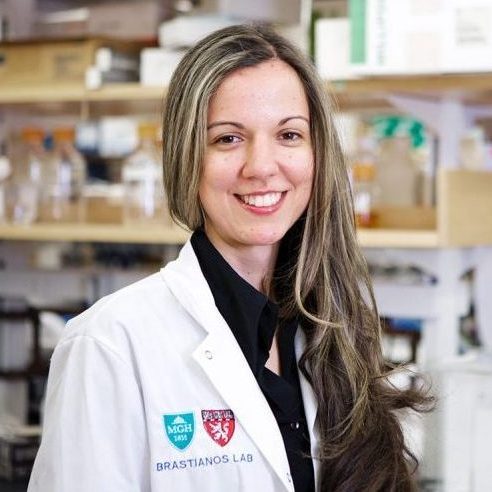
principal Investigator
Priscilla Brastianos, M.D
Dr. Priscilla K. Brastianos is a Professor of Medicine at Harvard Medical School and a physician-scientist at the Mass General Brigham Cancer Institute, where she holds the Terry and Jean de Gunzburg MGH Research Scholar appointment. She received her MD from Johns Hopkins University School of Medicine, completed her internal medicine residency at Johns Hopkins Hospital, and went on to fellowship training in oncology at Dana-Farber Cancer Institute and Massachusetts General Hospital. Her research focuses on the genomic characterization of brain tumors and brain metastases, with landmark contributions including the identification of actionable mutations in meningiomas, craniopharyngiomas, and metastatic brain disease. She leads several NCI-sponsored national clinical trials translating these findings into novel targeted therapies.
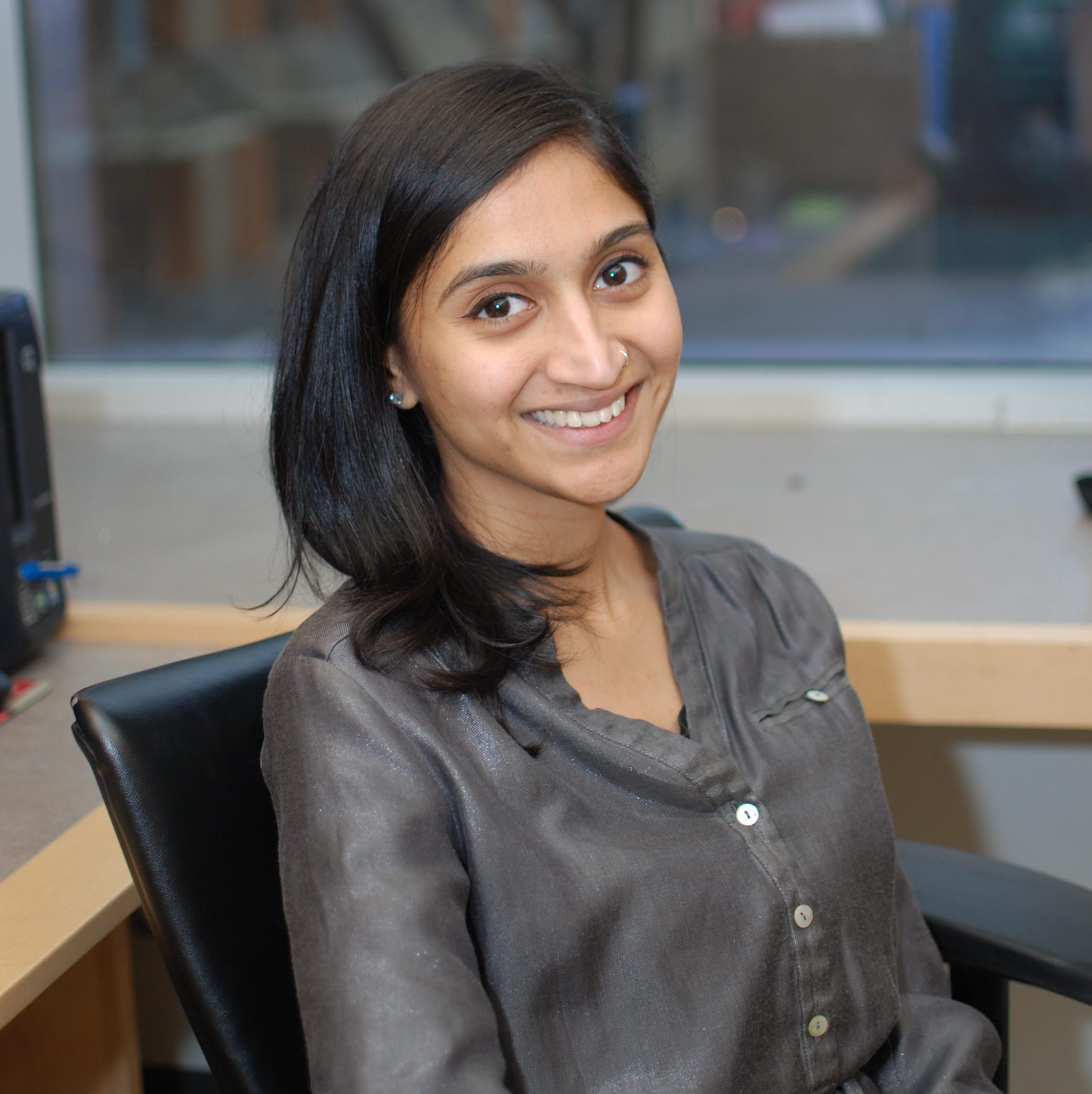
STAFF SCIENTIST
Naema Nayyar, Ph.D
Dr. Naema Nayyar is a cancer immunologist and neuro-oncology researcher at the Mass General Brigham Krantz Family Center for Cancer Research. She studied biology and bioinformatics at the University of Waterloo in Canada before moving to Boston for academic research. She first explored neuroscience, investigating learning and memory pathways in Dr. Susumu Tonegawa's laboratory at MIT, then regenerative medicine, studying neurotoxicities tied to cancer treatments in Dr. David Scadden's laboratory, and finally neuro-oncology, studying genomic drivers of primary and secondary brain tumors in Dr. Brastianos' laboratory. Dr. Nayyar earned her PhD from the University of Massachusetts Medical School, under the supervision of Drs. Michael Brehm and Priscilla Brastianos, where she developed immunotypic mouse models of brain metastasis to investigate immune-targeting therapies then tested combination strategies to enhance intracranial efficacy of immune checkpoint inhibitors. This work led to a clinical trial evaluating the efficacy of combining CDK4/6 inhibitor palbociclib with the immunotherapy drug pembrolizumab for patients suffering from brain metastases. Dr. Nayyar now serves as a research scientist in the Brastianos Lab, focusing on developing preclinical models and testing therapies for clinical translation as well as training the next generation of neuro-oncology researchers.
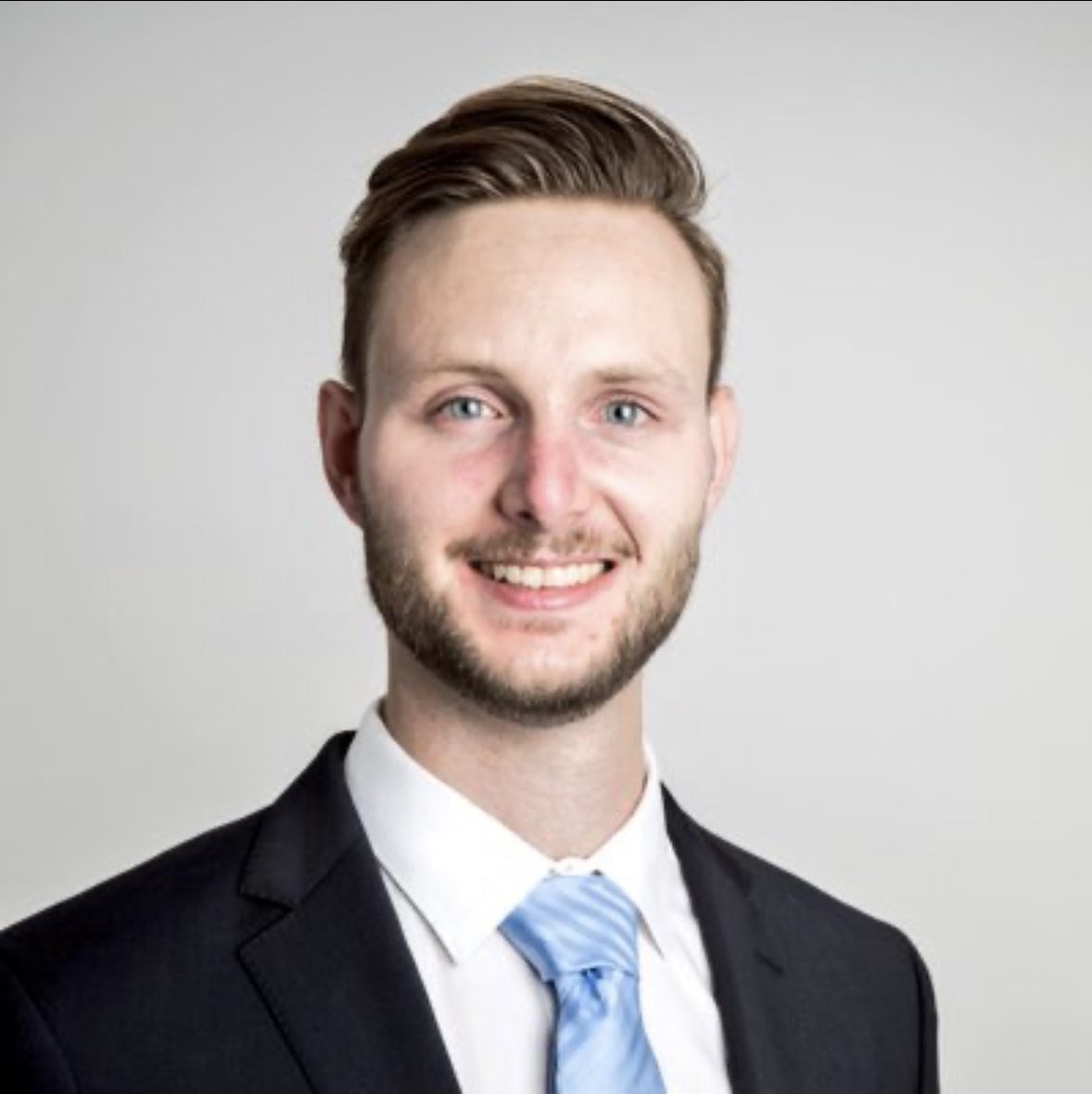
Neuro-Oncology Attending Physician
David Gritsch, MD, Ph.D
Dr. David Gritsch is a physician-scientist specializing in neuro-oncology at Mass General Brigham Cancer Institute and an instructor in Neurology at Harvard Medical School. Dr. Gritsch earned his MD from the Medical University of Vienna and his PhD in neurogenomics from the University of Bonn. After finishing his neurology residency training at the Technical University of Munich and the Mayo Clinic in Phoenix, Arizona, where he served as Chief Resident, he joined the neuro-oncology fellowship program at Massachusetts General Hospital and Dana Farber Cancer Institute and joined the Brastianos Lab as an NCI Paul Calabresi Scholar. He simultaneously earned an MPH in clinical effectiveness from the Harvard T.H. Chan School of Public Health. Dr. Gritsch's research is driven by the goal of moving CNS cancer treatments away from broad, empiric methods toward biologically individualized care. His primary research areas include investigation of circulating biomarkers such as cell-free DNA to track brain tumors, studying the clonal evolution of tumors in the context of treatment, and developing investigator-initiated trials to translate genomic data into precision therapies.
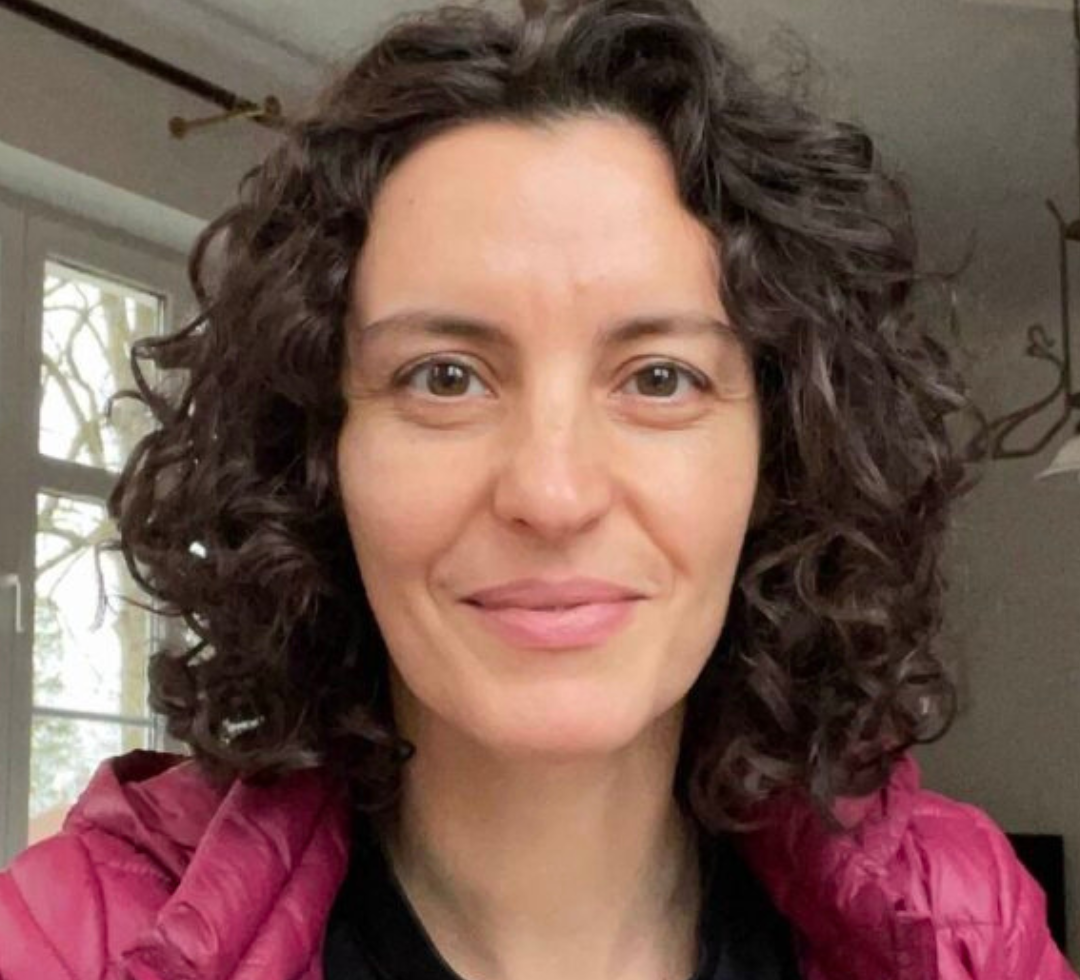
Post doctoral Research Fellow
Clara Pereira, Ph.D
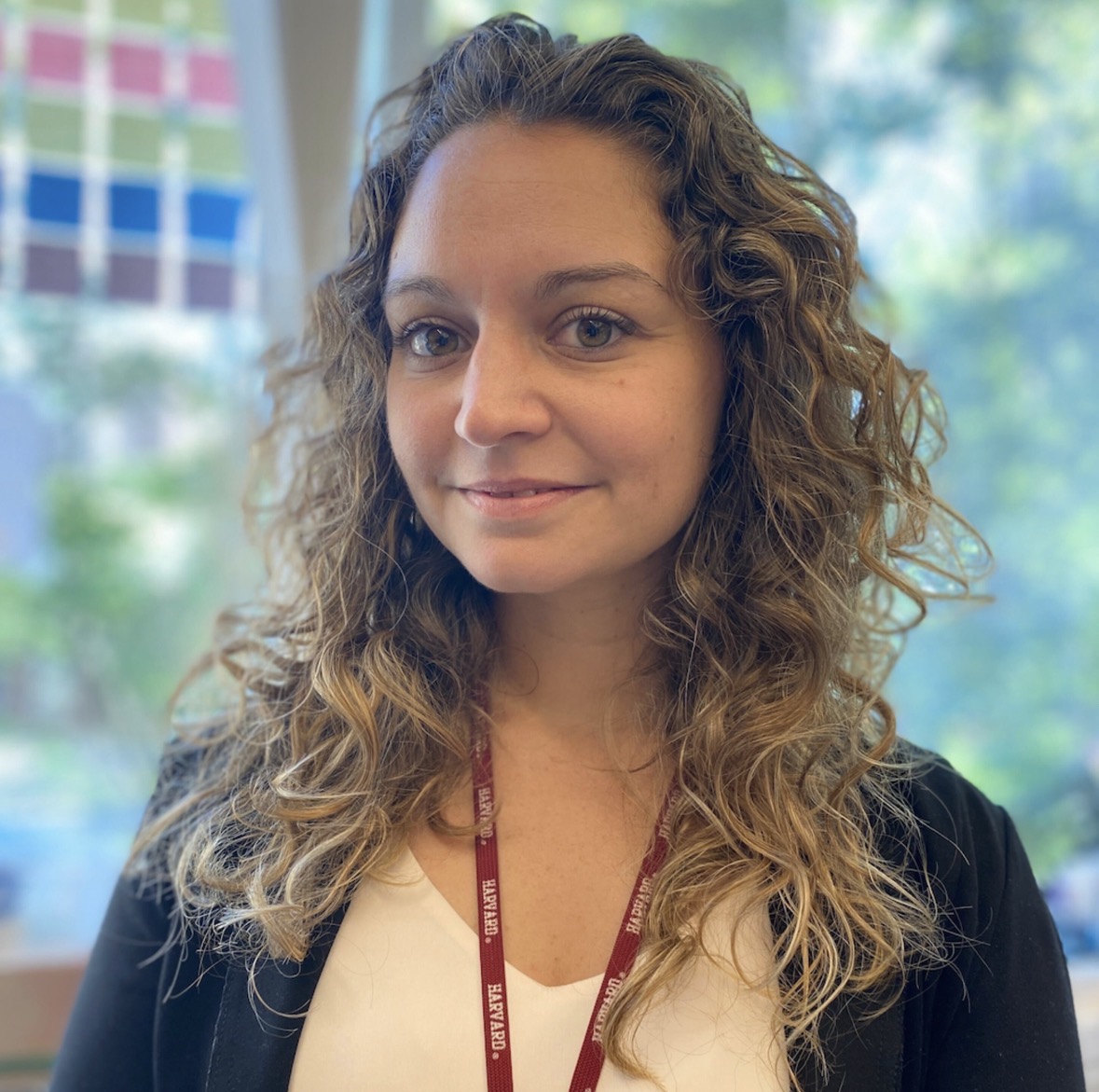
Dr. Clara F. Alves-Pereira is a molecular biologist, immunologist, and neuro-oncology researcher at Mass General Brigham Krantz Family Center for Cancer Research. She studied Biochemistry at the University of Porto where she began her research career studying genetic and phenotypic variation in autoimmune and neuroinflammatory disorders. She then earned her Ph.D. at the Gulbenkian Science Institute in Oeiras, Portugal, where she combined cellular and molecular clonal analyses to investigate the mechanisms regulating monoallelic immunoglobulin gene accessibility in B-cell lineages. Following her doctoral training, she transitioned to computational genomics during postdoctoral work at Trinity College Dublin (Dublin, Ireland) and was subsequently awarded a Marie Skłodowska-Curie Global Fellowship to study genome-wide monoallelic expression in the laboratory of Dr. Alexander Gimelbrant at the Dana-Farber Cancer Institute. During this period, she also contributed to collaborative efforts at Icahn School of Medicine at Mount Sinai to improve annotation of the human brain transcriptome using long-read sequencing. Building on the combined background in molecular biology, immunology, and bioinformatics, Dr. Alves-Pereira turned her focus toward cancer biology, joining the laboratories of Dr. Allegra Petti and Dr. Priscilla Brastianos where she applies single-cell and spatial transcriptomic analyses to investigate the tumor microenvironment of brain malignancies, including glioblastoma, brain metastasis, and related tumors. Her work aims to bridge high-resolution genomic technologies with mechanistic and translational questions in tumor biology to better understand therapeutic vulnerability and tumor–immune dynamics.
Post docoral research fellow
Consuelo Torrini, Ph.D
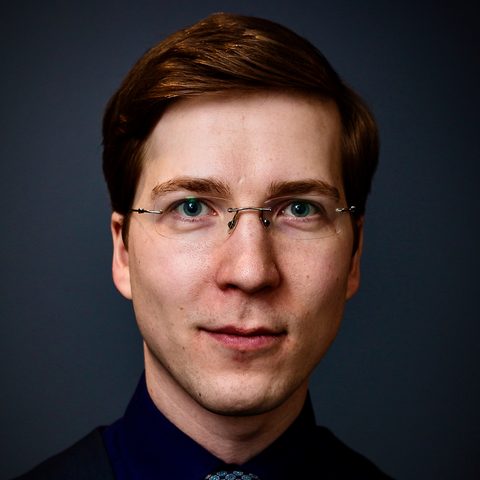
Dr. Consuelo Torrini is a medical biotechnologist and neuro-oncology researcher at Mass General Brigham Krantz Family Center for Cancer Research and the Broad Institute, and a T32 fellow at MGH's Center for Genomic Medicine. After earning her Bachelor's and Master's degrees in Medical and Pharmaceutical Biotechnology at the University of Florence in Italy, she completed her doctoral training at the International Center for Genetic Engineering and Biotechnology in Trieste, Italy, alongside the Open University in the UK. Before arriving in Boston, she served as a postdoctoral scientist at Columbia University in New York, where she investigated the impact of the tumor microenvironment on GBM progression, including exploring how lactic acid acts as an epigenetic metabolite that drives glioblastoma survival. In the Brastianos Lab, Dr. Torrini's research focuses on understanding how metastatic cancer cells survive and adapt within the brain, and developing novel drug combination therapies to translate molecular discoveries into clinical care.
Post docoral research fellow
Philipp Hähnel, Ph.D
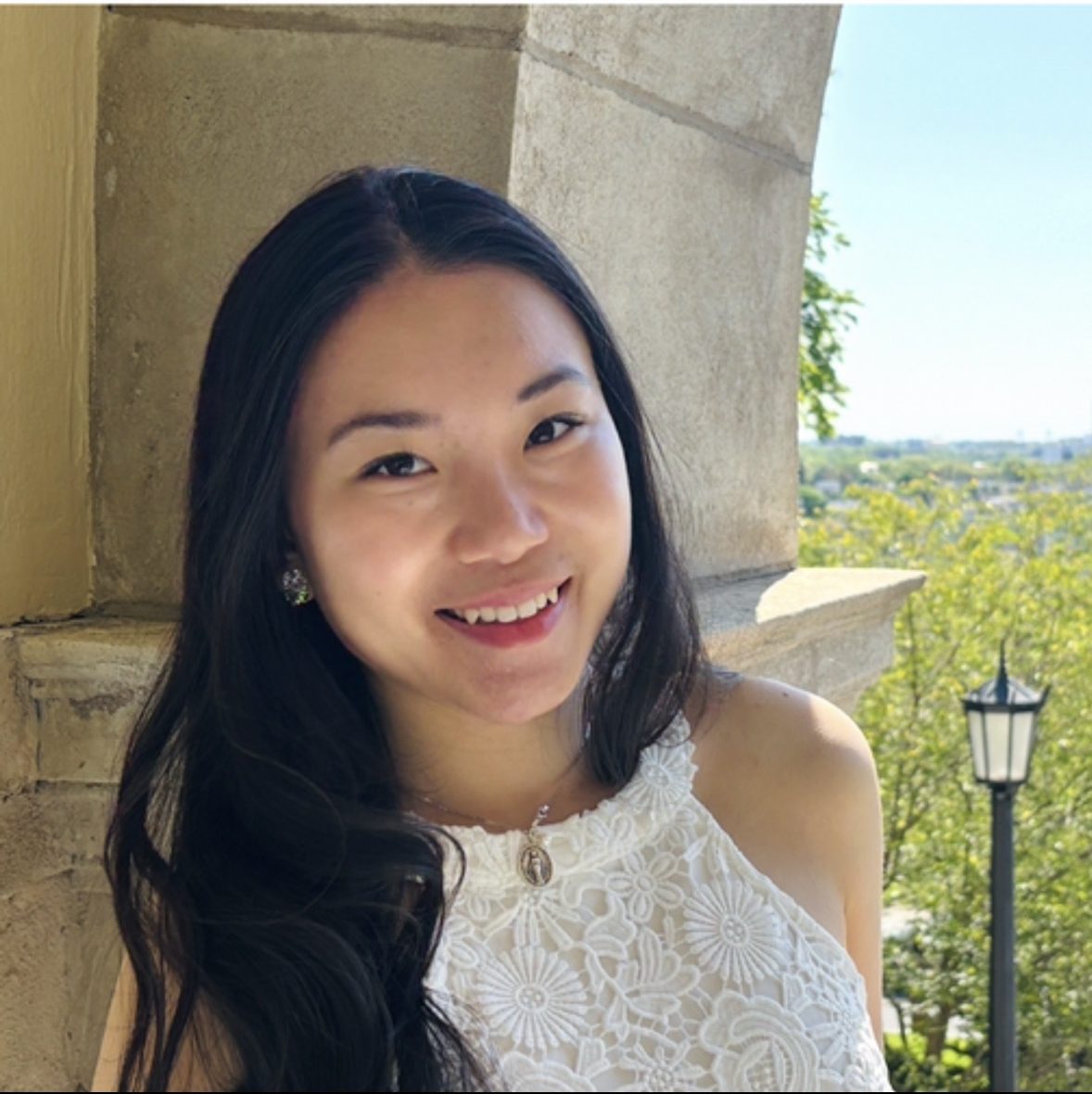
Dr. Philipp Hähnel is a theoretical physicist, data scientist, and computational biologist at Mass General Brigham Krantz Family Center for Cancer Research and the Broad Institute. He studied Physics at the Humboldt University of Berlin, focusing on quantum field theory and effective actions, before earning his PhD in Mathematics from Trinity College Dublin where his thesis work focused on "Higher Spin Theories in Twistor Space". Dr. Hähnel then completed data science internships and fellowships, including a role at IBM Research utilizing deep learning for physical modeling, before starting his postdoctoral fellowship in cancer genomics. In collaboration with Dr. Esther Rheinbay's laboratory, Dr. Hähnel develops next-generation computational tools to analyze complex genomic data. His research focuses on building multi-sample tools and custom pipelines to identify mutations in next-generation sequencing assays, utilizing probabilistic programming and generative models to track neutral selection versus positive evolutionary selection in brain tumors, and developing statistical tools to better understand how cancer cells mutate and adapt over time. (edited)
Christina Nguyen
Research Technician
Emily Sullivan
Research Technician
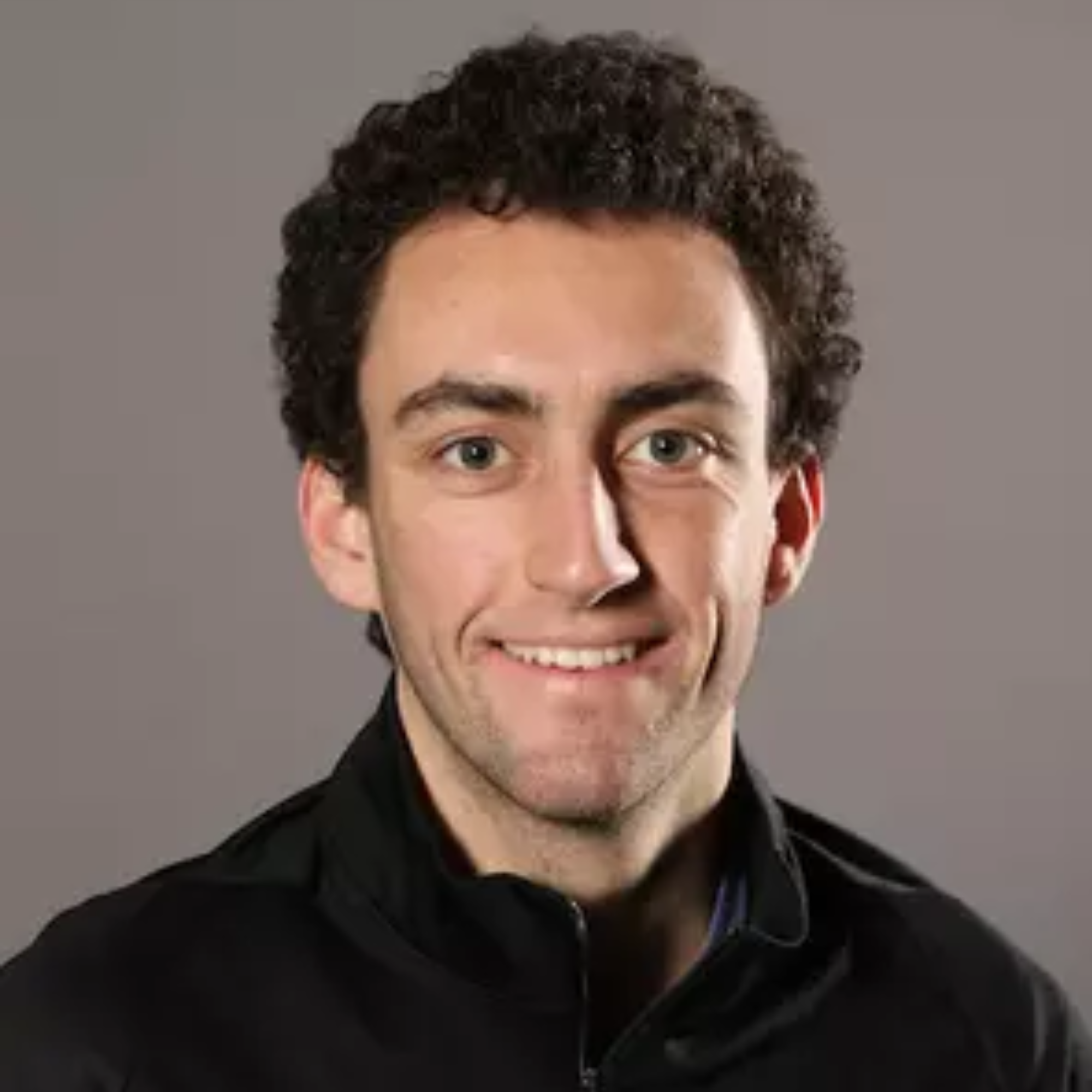
Lucas DiCerbo
Translational Research Coordinator
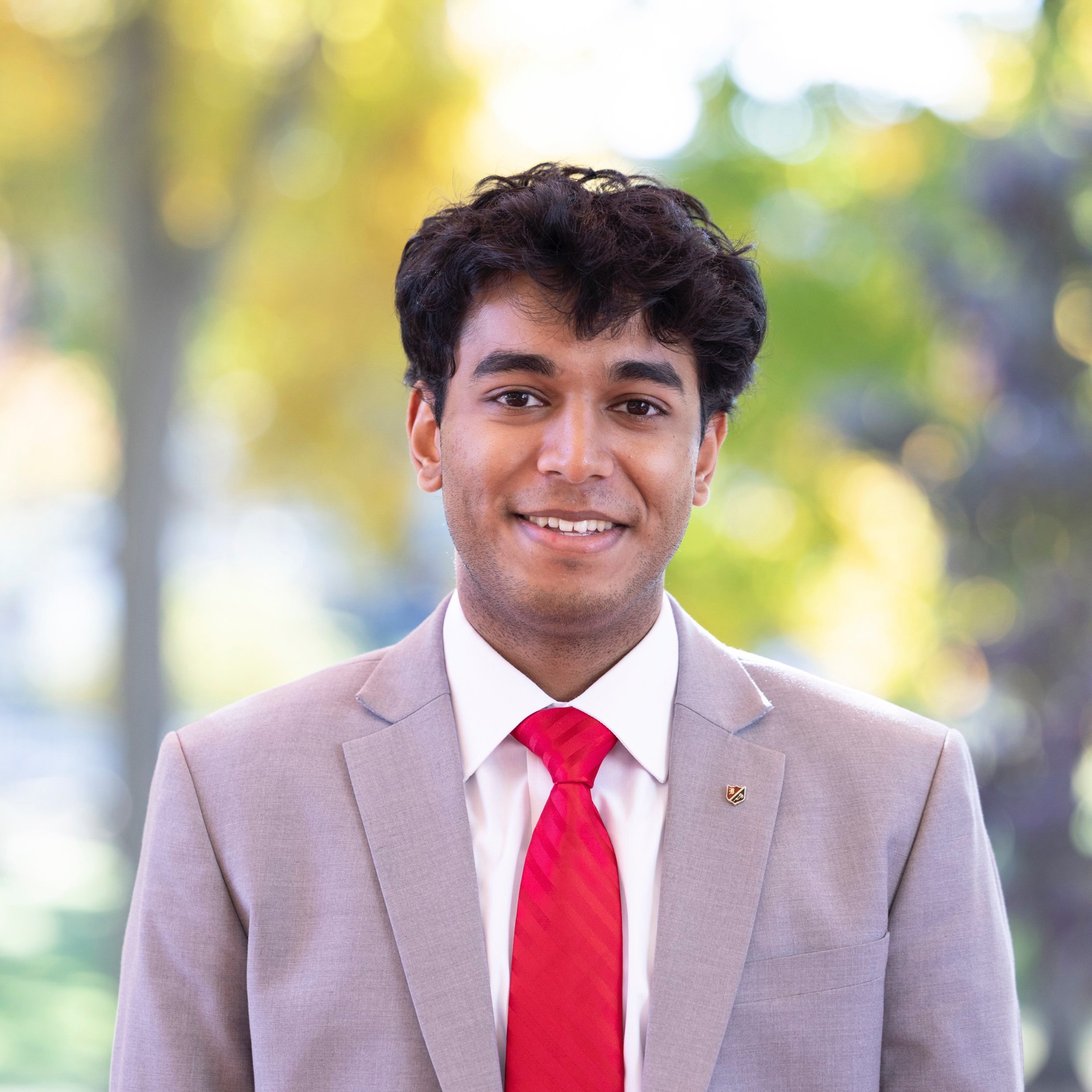
Varun Sasisekharan
Research Technician
Undergraduate Interns
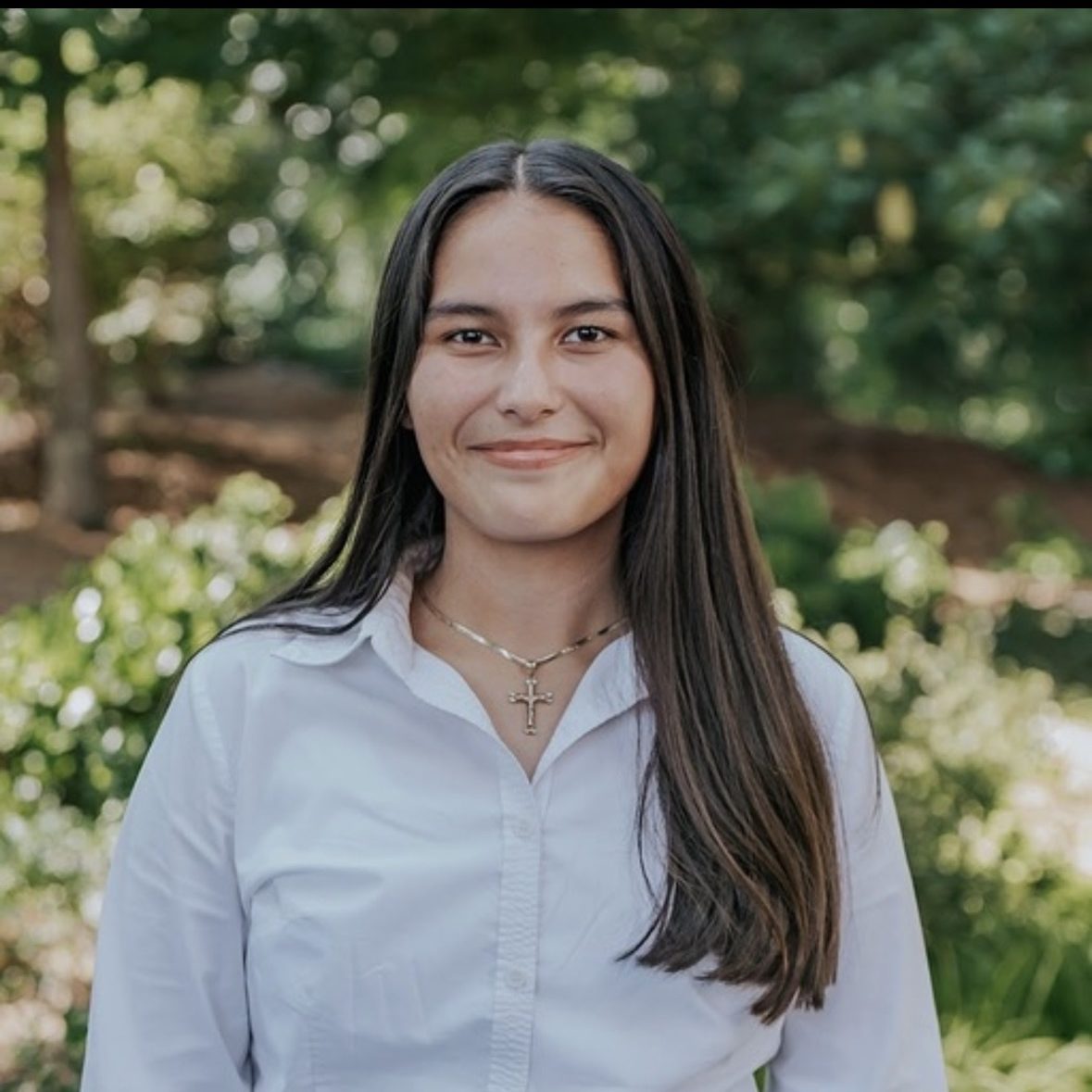
Camila Muriel Marmolejo
Research Intern
B.A Integrative Biology and History & Science, Harvard College
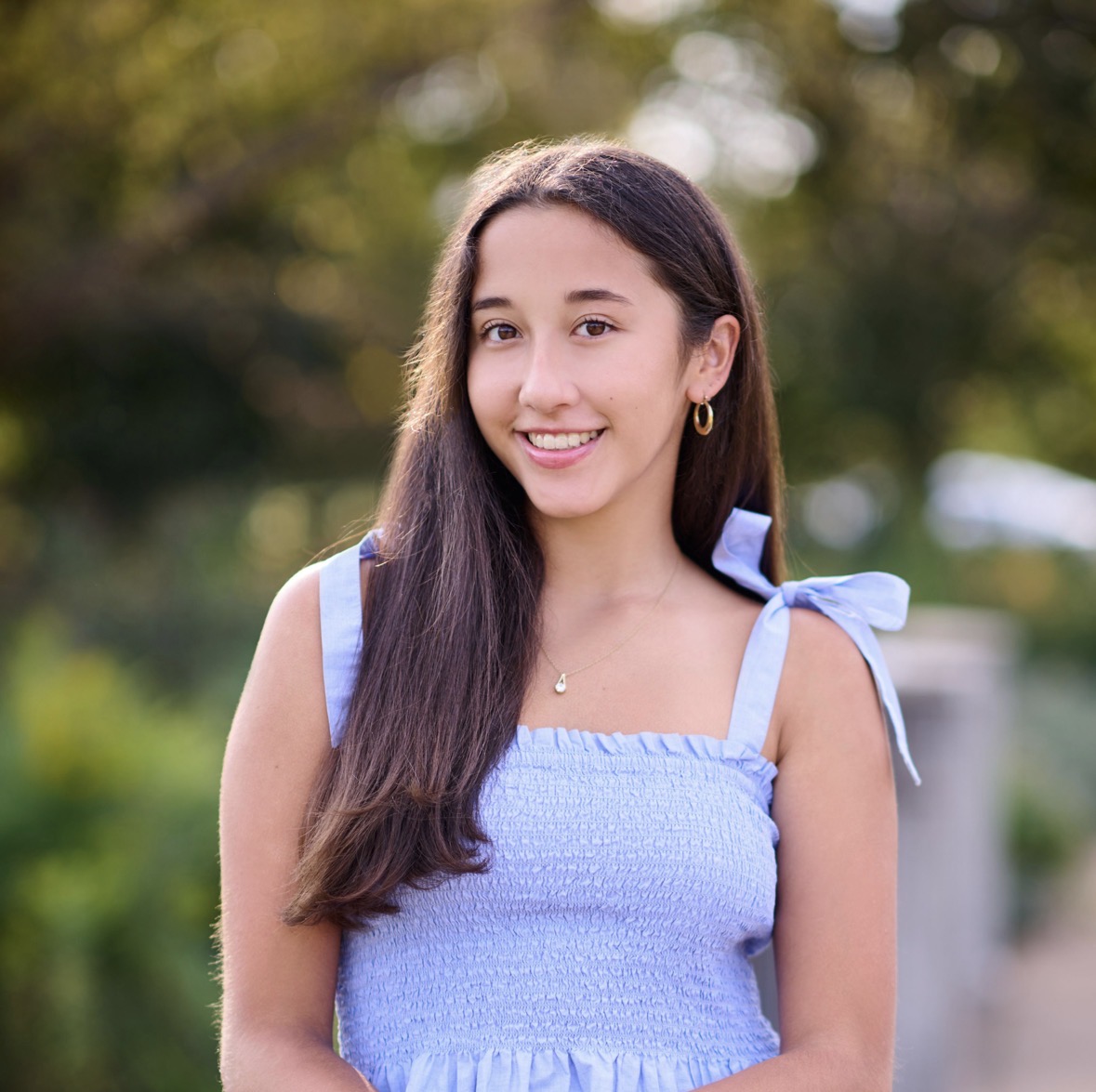
Isabel Cepeda
Research Intern
B.S Global Public Health, Boston College
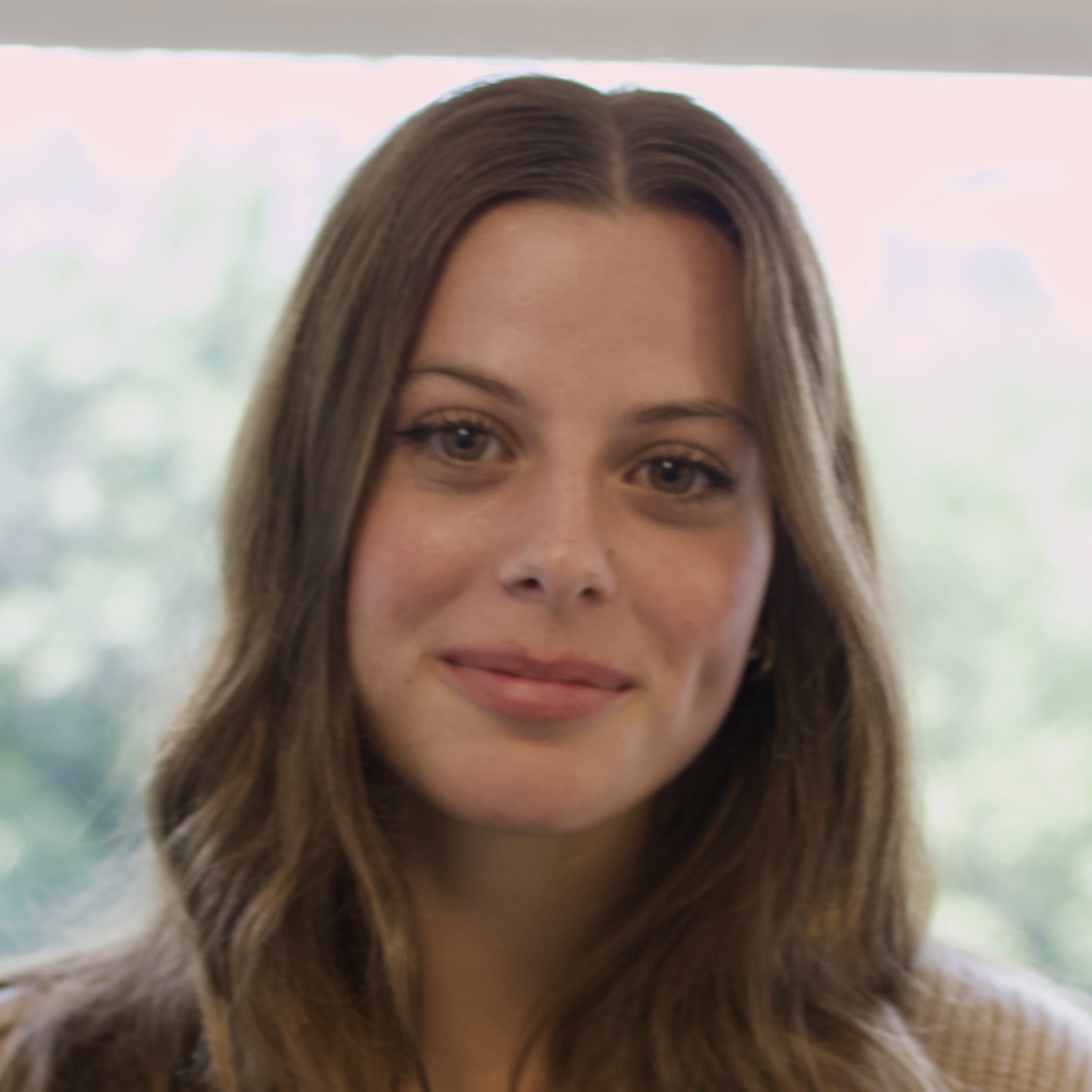
Eva Davies
Co-op Intern
B.S. Behavioral Nueroscience, Northeastern
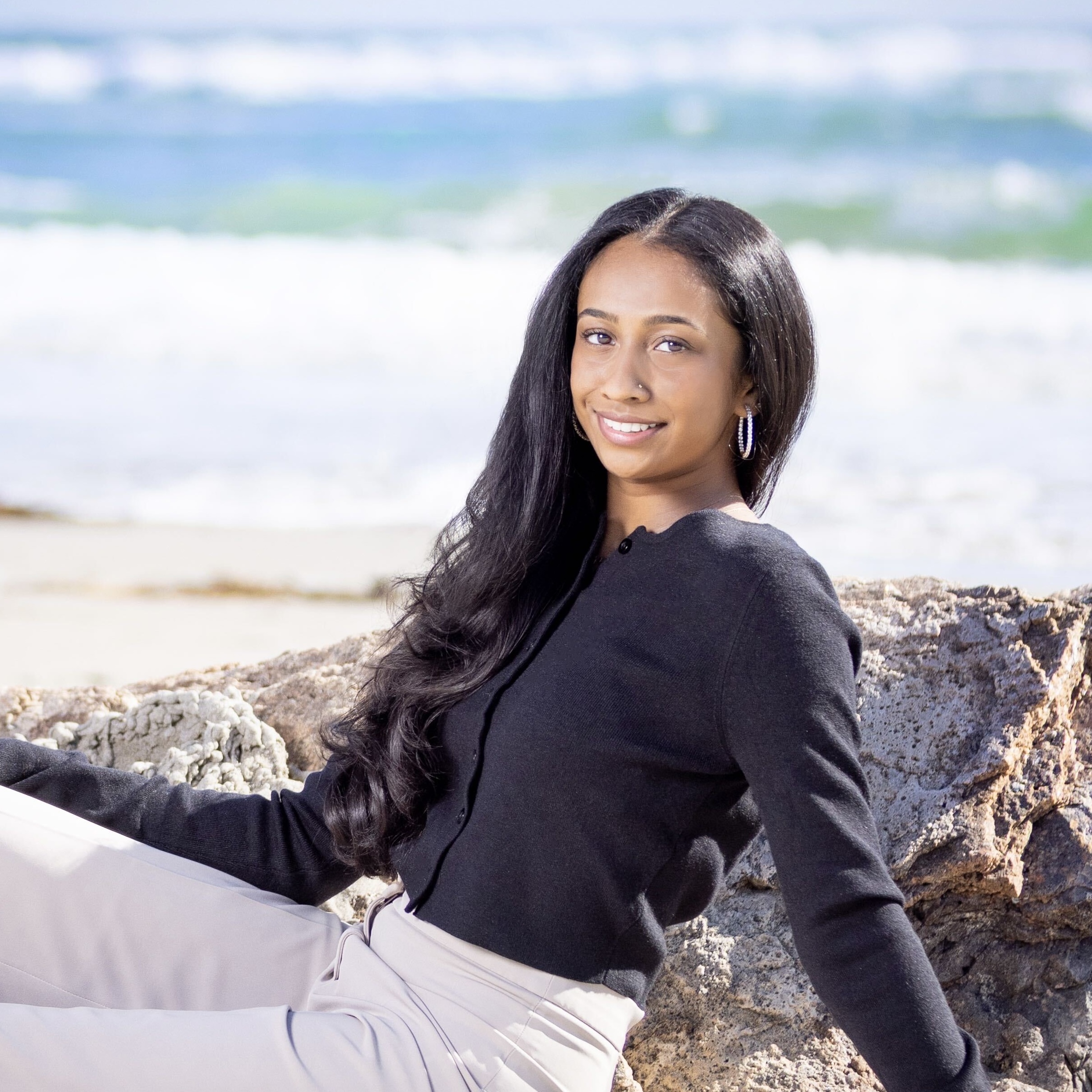
Roza Shaikh
Summer Research Intern
Biology and Middle Eastern Studies, Brown University
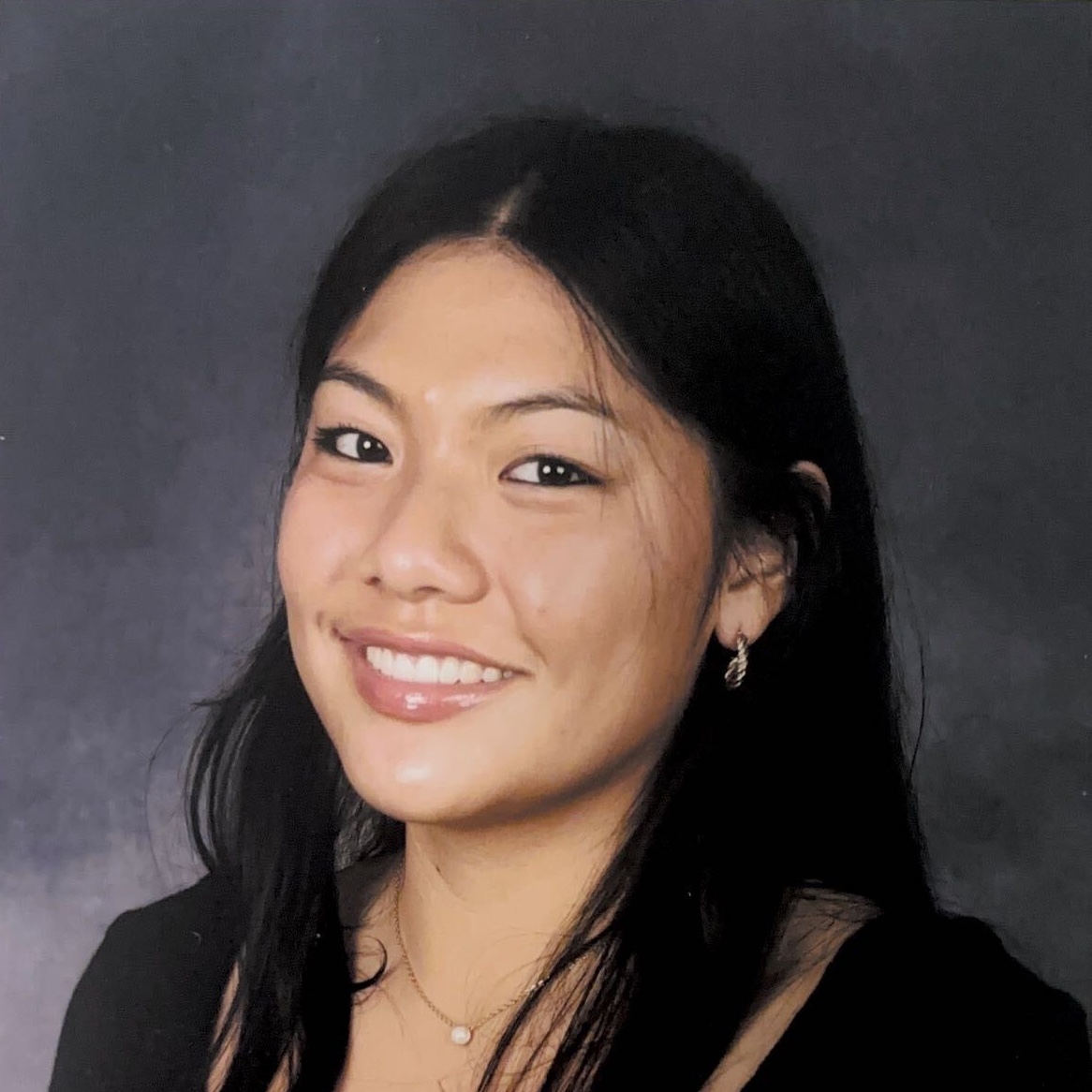
Samantha Tam
Summer Research Intern
B.S Neuroscience, University of Maryland

Sophia Batchelor
Summer Research Intern
B.S. Biology, University of Georgia